
Making Informed Choices for Your Wellness
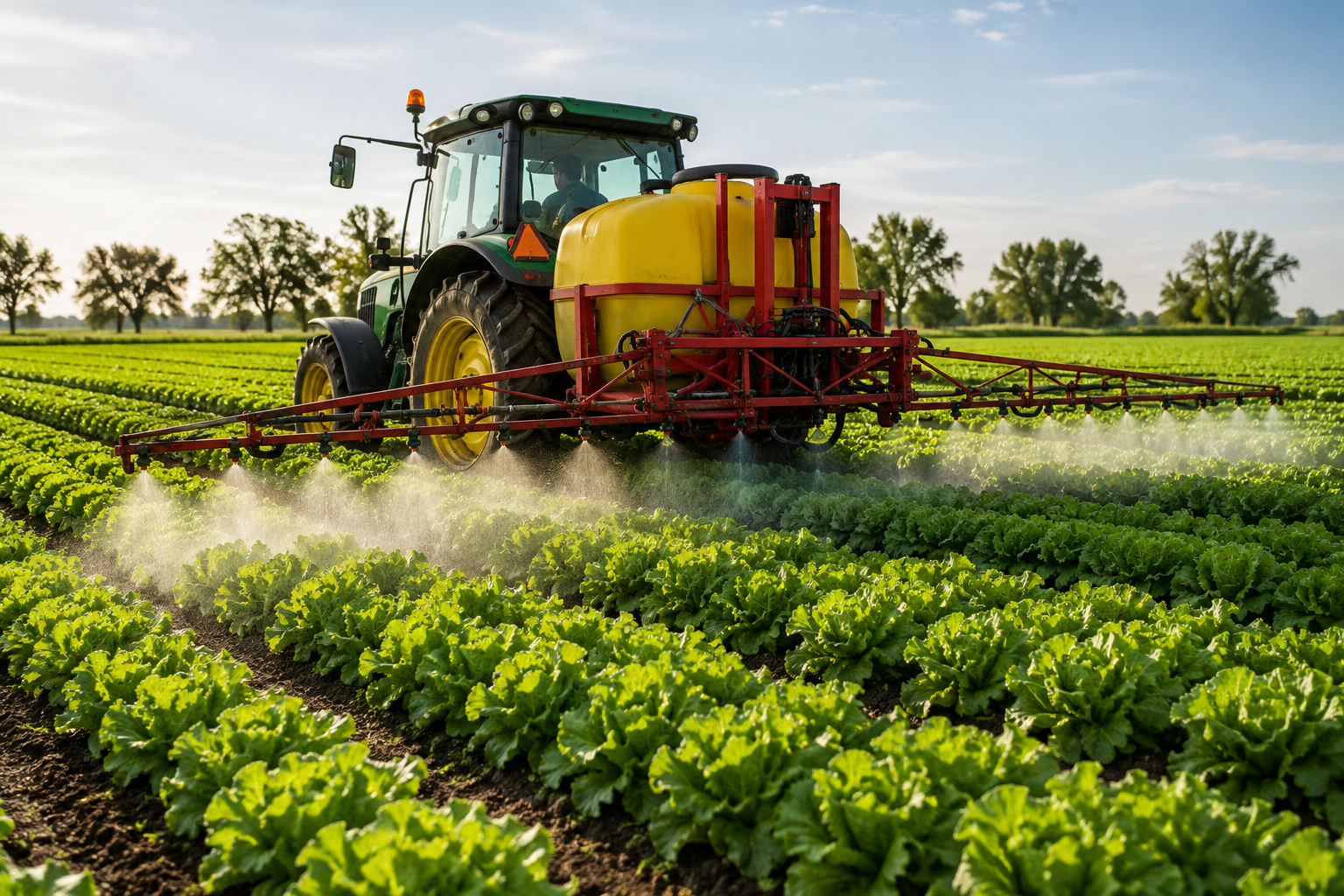
At EDENIX, we believe that knowledge empowers healthier decisions — not perfection or fear. One of the most common misconceptions we hear is that organic produce is grown without any pesticides at all. The truth is more nuanced: both conventional and organic farms may use pesticides, but the rules, substances, and philosophy behind each are very different. Once you understand the real distinction, choosing what’s right for your table becomes a lot simpler.
What “Organic” Actually Means
Organic isn’t just a marketing word — it’s a legal certification. In the U.S., USDA-certified organic farms must be inspected and verified by an accredited certifying agent, and the land they grow on must go at least three years without prohibited substances before it can be certified. Organic farming also excludes genetically modified seeds and centers its approach on building healthy soil, rotating crops, encouraging biodiversity, and using physical or biological pest control before reaching for any spray at all.
Conventional farming, by contrast, relies more heavily on synthetic (lab-made) pesticides, fertilizers, and, in many cases, genetically modified seed varieties, chosen for consistency, yield, and shelf life at scale.
Synthetic vs. Organic-Approved Pesticides: The Real Difference
Here’s the nuance that trips most people up: organic does not mean pesticide-free. Organic farmers are allowed to use pesticides — just not synthetic ones, with a short list of narrow exceptions. The governing rule (the USDA’s “National List”) works like this:
- Synthetic substances are prohibited on organic farms unless specifically approved for a narrow purpose.
- Natural substances are allowed unless specifically prohibited.
So the real dividing line isn’t “chemicals vs. no chemicals” — every pesticide, natural or synthetic, is a chemical. It’s about the type of substance, how it’s regulated, how it behaves in the environment, and its residue profile. Examples of organic-approved options include:
- Neem oil (from the neem tree)
- Pyrethrin (derived from chrysanthemum flowers)
- Copper-based fungicides
- Microbial products such as Bacillus thuringiensis (Bt)
These substances tend to break down faster in the environment than many synthetic pesticides and are typically used as one tool among several — alongside crop rotation, beneficial insects, and mechanical weeding — rather than the primary line of defense. It’s also worth knowing that “natural” doesn’t automatically mean “harmless”; toxicity depends on the substance, the dose, and how it’s applied, which is exactly why both natural and synthetic options are regulated by the EPA.
Why It Matters — Beyond Just Pesticides
Choosing organic touches more than what’s on your plate:
- ✔ For your body: Research generally supports that an organic diet can reduce measurable exposure to synthetic pesticide residues, though the long-term health significance of that reduction is still an active area of study — not a settled, dramatic claim.
- ✔ For the soil: Organic practices like cover cropping and crop rotation build long-term soil health and biodiversity rather than depleting it season after season.
- ✔ For farmworkers and pollinators: Reducing reliance on synthetic pesticides can lower occupational exposure for the people who grow our food and helps protect bees and other pollinators that conventional spray schedules can affect.
A Practical Guide: Where Organic Matters Most
Buying 100% organic isn’t realistic — or necessary — for most households. A well-known approach, popularized by the Environmental Working Group’s annual produce guide, is to prioritize organic for crops that tend to test higher for pesticide residue, and save your money on crops that consistently test low.
Produce where buying organic tends to matter most (thinner skins, higher residue findings): Spinach, leafy greens like kale and collards, strawberries, grapes, cherries, apples, peaches, nectarines, pears, blueberries, and potatoes.
Produce where conventional is generally a fine choice (thicker skins or peels, consistently lower residue findings): Avocados, pineapple, sweet corn, onions, papaya, asparagus, cabbage, cauliflower, watermelon, mangoes, bananas, and carrots.
Budget-Friendly Tips
- ✔ Prioritize organic for the “dirty dozen”-style items above, and buy conventional for the rest — you’ll still meaningfully lower your overall exposure without doubling your grocery bill.
- ✔ Check your local farmers market — many small growers use organic-equivalent practices without paying for formal certification, so it’s worth simply asking.
- ✔ Buy organic frozen produce when fresh is out of season or over budget — frozen often costs less and is picked and processed at peak ripeness.
- ✔ Watch for store sales, “ugly produce” boxes, and store-brand organic lines, which are frequently cheaper than name brands.
- ✔ Grow a few high-priority items yourself, like leafy greens or berries, if you have even a small garden or patio space.
Simple Ways to Reduce Pesticide Exposure at Home
- ✔ Wash all produce thoroughly under running water; a produce brush works well on firmer fruits and vegetables.
- ✔ Peel produce when desired, keeping in mind that some nutrients and fiber are concentrated in the skin.
- ✔ Remove and discard the outer leaves from leafy vegetables like lettuce or cabbage.
- ✔ Eat a wide variety of fruits and vegetables so you’re never relying on one single source.
- ✔ Buy organic where it fits your budget and priorities — but don’t let cost keep you from eating produce altogether.
Should I Buy Organic?
The most important goal is simple: eat plenty of fruits and vegetables, organic or not. The well-established health benefits of a produce-rich diet far outweigh the more modest, still-being-studied risks associated with conventional pesticide residue. Organic is a meaningful tool for lowering your exposure and supporting more regenerative farming — not a strict requirement for eating well.
Progress Over Perfection
Healthy living isn’t about fear or achieving perfection — it’s about making informed choices one step at a time. Whether you choose organic, conventional, or a mix of both, nourishing your body with a variety of colorful fruits and vegetables is one of the most beneficial things you can do for your overall wellness.
Small, consistent choices create meaningful, lasting change.
This information is intended to support informed wellness decisions and is not intended to diagnose, treat, cure, or prevent any disease.