
Are Tiny Plastics Affecting Your Health?
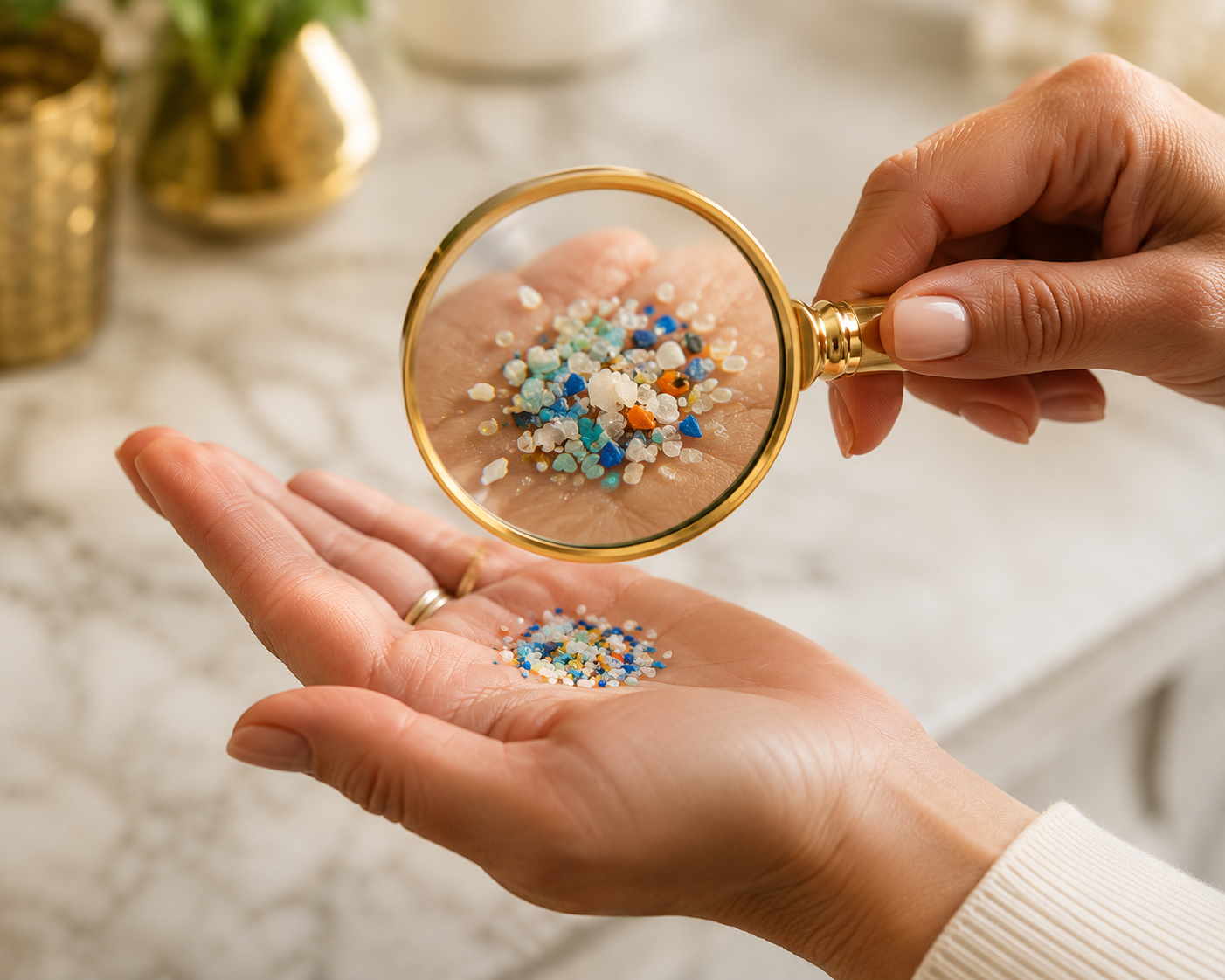
Every day, we come into contact with plastics — through the water we drink, the food we eat, the air we breathe, and the products we use. As these plastics break down over time, they form microplastics and nanoplastics, tiny particles that have become an increasing focus of scientific research.
Scientists have detected these particles in drinking water, seafood, fruits and vegetables, table salt, bottled beverages, and even in human blood, lungs, the placenta, breast milk, and reproductive tissues. While researchers are still learning exactly how these particles affect long-term health, their widespread presence has raised important questions about reducing exposure and supporting overall wellness.
At Edenix Wellness, we believe that understanding environmental exposures is an important part of creating a healthy lifestyle. While we cannot eliminate every source of exposure, we can make informed choices that support the body’s natural processes.
What Are Microplastics and Nanoplastics?
Microplastics are plastic particles smaller than 5 millimeters — about the size of a sesame seed or smaller.
Nanoplastics are even tinier, measuring less than one micrometer (one-millionth of a meter). Because of their extremely small size, scientists are investigating whether nanoplastics may be able to move through biological tissues more readily than larger plastic particles.
These particles are created when larger plastic products gradually break down from:
- Sunlight
- Heat
- Weathering
- Friction
- Everyday wear and tear
They are also intentionally manufactured for some industrial applications.
Where Are We Exposed?
Microplastics are now found throughout our environment.
Drinking Water
Studies have identified microplastics in bottled water, tap water, well water, and surface water. Bottled water — particularly from plastic containers — often contains higher concentrations than filtered tap water.
Food
Researchers have detected microplastics in seafood, shellfish, fish, sea salt, honey, fruits, vegetables, rice, tea bags, and bottled beverages. Plastic food packaging may also contribute to exposure.
Food Storage & Cooking
Heating food in plastic containers can increase the release of microscopic plastic particles. Examples include microwaving plastic containers, hot food in plastic take-out containers, plastic coffee cups, disposable utensils, and plastic cutting boards.
Air
Tiny plastic fibers circulate indoors and outdoors, originating from synthetic clothing, carpets, upholstery, household dust, and vehicle tire wear. These airborne particles may be inhaled.
Personal Care Products
Some products may contain plastic ingredients or be packaged in plastics that contribute to environmental exposure — including certain cosmetics, glitter, exfoliating products, and plastic packaging.
What Does the Research Say?
Research into microplastics and nanoplastics is evolving rapidly. Scientists have identified these particles in human blood, lung tissue, the placenta, breast milk, liver tissue, testes, and arteries.
Researchers are actively studying whether long-term exposure may influence inflammation, oxidative stress, immune responses, hormone signaling, or other biological processes. However, it is important to note that finding these particles in the body does not, by itself, prove they cause disease. More research is needed to understand their long-term health effects.
Why Are Researchers Concerned?
Microplastics may carry other environmental contaminants on their surface, including certain chemicals or pollutants. Scientists are exploring whether these particles could:
- Trigger inflammatory responses
- Increase oxidative stress
- Affect immune function
- Interact with hormone signaling
- Influence gut microbial communities
These are active areas of research, and many questions remain unanswered.
Practical Ways to Reduce Exposure
While completely avoiding microplastics isn’t realistic, small changes may help reduce everyday exposure.
Choose Glass or Stainless Steel
Whenever possible, drink from glass or stainless-steel bottles, store leftovers in glass containers, and use ceramic dishes for hot foods.
Avoid Heating Food in Plastic
Heat can increase the release of plastic particles. Instead, heat food in glass or ceramic containers and avoid pouring boiling liquids into plastic containers when possible.
Filter Your Drinking Water
A high-quality water filtration system may help reduce certain contaminants. Consider reverse osmosis systems or certified carbon filtration systems.
Reduce Single-Use Plastics
Choose reusable alternatives when practical — stainless steel water bottles, glass food containers, reusable shopping bags, and stainless steel or bamboo utensils.
Choose Fresh Foods More Often
Preparing meals from fresh ingredients may reduce exposure from plastic packaging and ultra-processed foods.
Reduce Household Dust
Because airborne plastic fibers can settle in dust, vacuum regularly (preferably with a HEPA filter), damp dust surfaces, and improve indoor ventilation when possible.
Supporting Your Body
A healthy lifestyle supports your body’s normal detoxification and repair processes. Focus on habits such as:
- Eating a diet rich in colorful fruits and vegetables
- Consuming adequate dietary fiber
- Staying well hydrated
- Exercising regularly
- Prioritizing quality sleep
- Managing chronic stress
While no supplement or diet has been proven to remove microplastics from the body, these foundational habits support overall health and resilience.
How Edenix Wellness Can Help
Environmental exposures are just one piece of the wellness puzzle. At Edenix Wellness, we take a personalized approach by looking at multiple lifestyle factors — including nutrition, hydration, environmental exposures, sleep, and stress — to help clients make informed choices that support their overall well-being.
Our Advanced Bioenergetic Wellness Scan is designed to provide wellness insights into four key body systems:
- Hormone & Endocrine
- Gastrointestinal
- Detoxification
- Immune
Using these insights, we work together to create practical lifestyle strategies that support your wellness goals and encourage your body’s natural ability to maintain balance.
Final Thoughts
Microplastics and nanoplastics have become an unavoidable part of modern life, and research into their health effects is continuing to evolve. Although many questions remain, taking practical steps to reduce unnecessary exposure can be part of a proactive wellness lifestyle.
Small, consistent choices — such as drinking filtered water, reducing plastic use, eating whole foods, and creating a healthier home environment — can add up over time.
At Edenix Wellness, we believe wellness isn’t about perfection. It’s about making intentional choices that help you reduce unnecessary stressors, support your body’s natural balance, and recall your original light.
References
- National Institutes of Health. Research on microplastics and human health.
- United States Environmental Protection Agency. Information on plastic pollution and environmental contaminants.
- Food and Agriculture Organization. Publications on microplastics in food systems.